If you own a Ram truck powered by the legendary 6.7 Cummins diesel, sooner or later you’ll ask one crucial question: How many quarts of oil does a 6.7 Cummins take?
It sounds simple, but the real answer depends on model year, oil pan type, and usage conditions. Many owners get this wrong—and that mistake can cost you engine longevity, performance, and money.
This guide goes far beyond a single number. You’ll learn exact oil capacities, why they differ, how oil level affects engine health, and how to do an oil change the right way—whether you’re daily driving, towing heavy loads, or running performance upgrades.
Why Oil Capacity Matters on the 6.7 Cummins
The 6.7L Cummins ISB is a heavy-duty inline-six diesel designed for high torque, long service intervals, and extreme durability. But that durability depends heavily on proper lubrication.
Unlike gasoline engines, a diesel like the 6.7 Cummins:
- Produces higher combustion pressures
- Generates more heat
- Carries soot and contaminants in the oil
That’s why oil volume is critical. Too little oil reduces cooling and lubrication. Too much oil can cause foaming, crankshaft drag, and increased oil consumption.
Getting the oil capacity right is not optional—it’s essential.
6.7 Cummins Oil Capacity (Stock Configuration)
Let’s start with the most searched and most important answer.
Standard Factory Oil Capacity
For most Ram trucks equipped with the 6.7 Cummins, the factory oil capacity is:
12 quarts (11.4 liters)
Includes oil filter
This applies to the majority of:
- Ram 2500
- Ram 3500
- Model years roughly 2007.5 to present
- Equipped with the stock oil pan
This is the baseline number you’ll see quoted most often—and for stock trucks, it’s usually correct.
Oil Capacity by Model Year (What Changes and Why)
While 12 quarts is the standard, not every 6.7 Cummins is identical. Small variations across generations can affect real-world fill levels.
2007.5–2012 6.7 Cummins
- Typical oil capacity: 12 quarts
- Less emissions hardware than newer models
- Oil stays cleaner slightly longer
2013–2018 6.7 Cummins
- Still 12 quarts
- More advanced EGR and emissions systems
- Oil contamination increases faster → strict oil change intervals matter
2019–Current 6.7 Cummins
- Oil capacity remains 12 quarts
- High-pressure fuel systems and tighter tolerances
- Oil quality is more important than ever
Across all generations, oil capacity stays consistent, but oil stress increases in newer trucks.
6.7 Cummins Oil Capacity With High-Capacity Oil Pan
Many owners upgrade to a deep or high-capacity oil pan, especially if they:
- Tow heavy trailers
- Run performance tuning
- Drive in hot climates
- Want extra oil cooling and protection
High-Capacity Oil Pan Oil Capacity
With an aftermarket deep pan, oil capacity typically increases to:
14–15 quarts (13.2–14.2 liters)
(depending on brand and design)
Benefits of Increased Oil Capacity
- Lower oil temperatures
- Better dilution of soot and contaminants
- Increased engine protection under load
- Longer oil life in real-world conditions

RaceMe ULTRA Diesel Tuner
- DPF/EGR/DEF Delete Options
- Works with RAM 2500/3500/4500/5500
- +200 HP Performance Boost
- Real–Time Monitoring & Tuning
- Easy Plug & Play Install + Updates Free
Oil Filter Size and Its Impact on Oil Capacity
The oil filter plays a small but important role in total oil volume.
- Standard Cummins oil filters hold roughly 0.5–0.7 quarts
- Oversized or performance filters can hold slightly more
While the difference isn’t massive, it reinforces why you should always fill gradually and verify with the dipstick, not blindly pour all 12 quarts at once.
6.7 Cummins Oil Type (Just as Important as Capacity)
Oil capacity means nothing if you use the wrong oil.
Recommended Oil Viscosity
- 15W-40 (warm climates, towing, heavy use)
- 5W-40 full synthetic (cold climates, year-round use)
Oil Specifications to Look For
- API CK-4
- Cummins CES 20086
Using oil that meets these standards ensures:
- Proper soot handling
- Protection for turbocharger bearings
- Compatibility with emissions systems
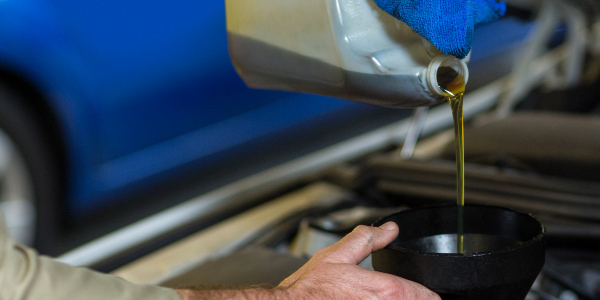
What is the Best Oil for 6.7 Cummins? Ultimate Guide
How to Check Oil Level Correctly on a 6.7 Cummins
Many owners overfill simply because they check oil incorrectly.
Correct Oil Level Checking Procedure
- Park on level ground
- Let engine cool for at least 10–15 minutes
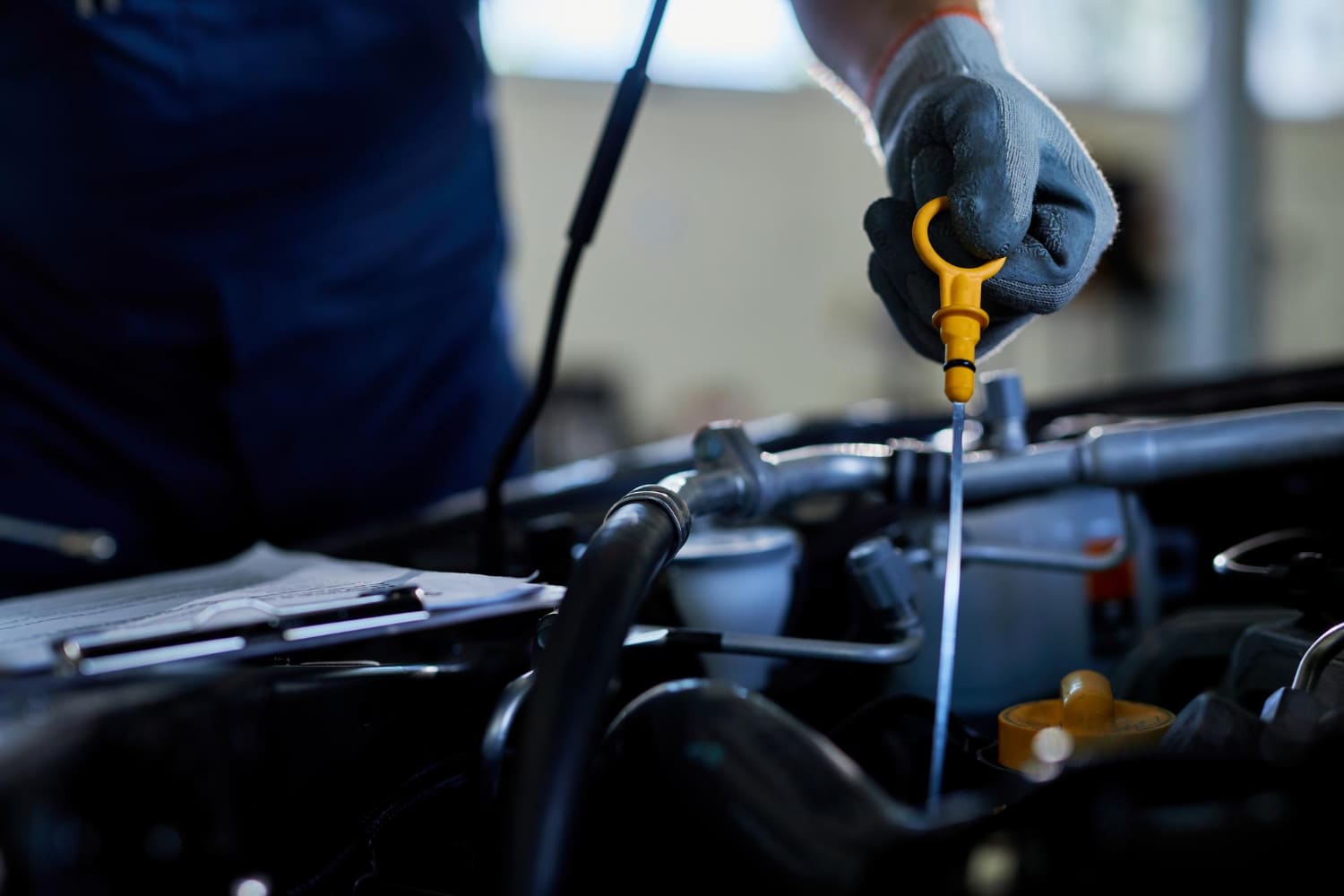
- Pull dipstick, wipe clean
- Reinsert fully and remove again
- Oil should be between MIN and MAX, ideally near the upper mark
The 6.7 Cummins dipstick range equals roughly 1 quart. That means being slightly under the top mark is completely fine.
Common Oil Capacity Mistakes (And How to Avoid Them)
Mistake #1: Overfilling
Too much oil can cause:
- Aeration (foaming)
- Increased crankcase pressure
- Oil pushed into the intake system
Mistake #2: Ignoring Filter Fill
Changing the oil filter without accounting for its capacity leads to inaccurate fill levels.
Mistake #3: Blindly Trusting One Number
Different pans, filters, and drain times all affect final volume.
Always trust the dipstick—not just the number.
Oil Change Interval and Oil Capacity Relationship
More oil doesn’t mean infinite oil life—but it helps.
Typical Oil Change Intervals
- Normal driving: 7,500–10,000 miles
- Heavy towing: 5,000–7,500 miles
- Tuned or modified engines: shorter intervals recommended
A larger oil capacity helps stabilize oil temperature and contamination, but regular changes remain essential.
Does Towing Change Oil Capacity Requirements?
No—the oil capacity stays the same, but oil degradation happens faster.
When towing:
- Oil runs hotter
- Soot levels rise
- Viscosity breaks down quicker
That’s why many towing setups benefit from:
- 5W-40 full synthetic
- High-capacity oil pans
- Shorter oil change intervals
Real-World Tip: Filling the 6.7 Cummins the Smart Way
Instead of pouring all 12 quarts at once, do this:
- Add 10.5–11 quarts
- Start engine for 30 seconds
- Shut down and wait 10 minutes
- Check dipstick
- Top off slowly to desired level
This method prevents overfilling and ensures oil circulates properly.