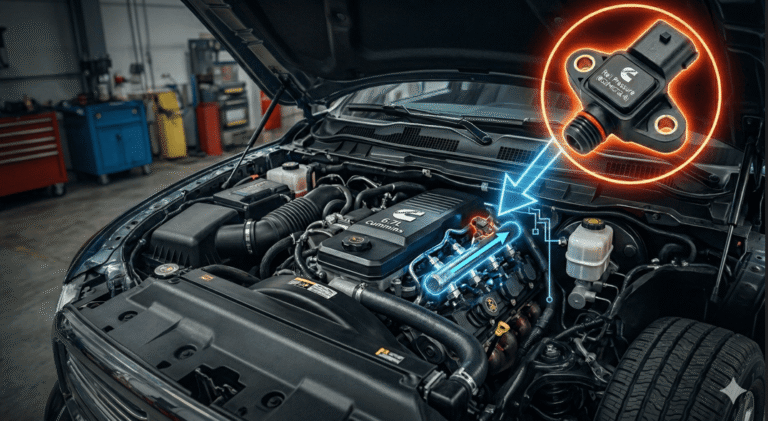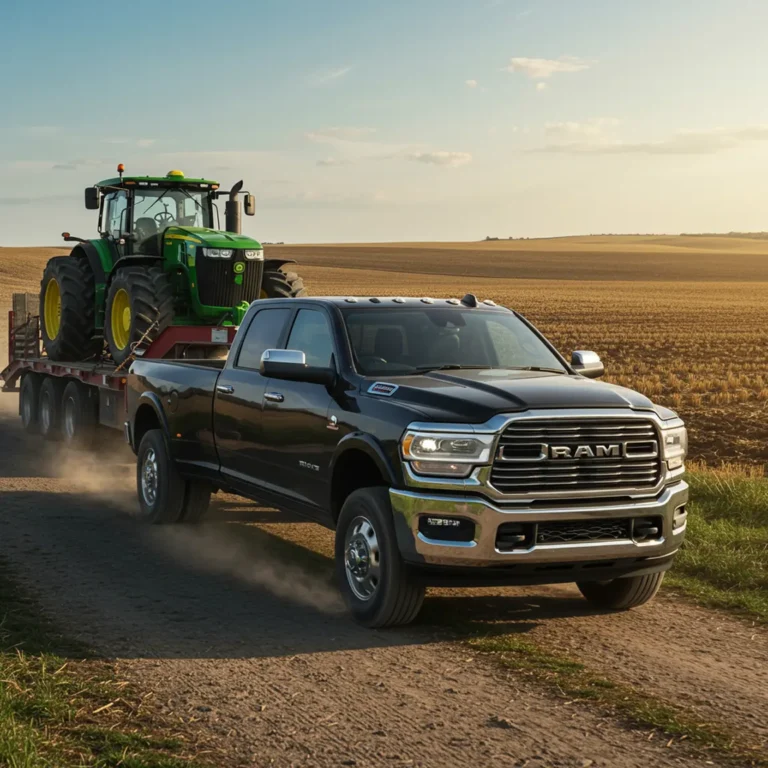
For years, deleted trucks—diesel pickups with removed emission components—have lived somewhere between outlaw culture and underground performance fandom. They were the trucks whispered about in forums, bragged about on backroads, and traded quietly between private buyers who “knew what they were getting.”
But something unexpected is happening in 2025:
Auto dealers have quietly started accepting deleted trucks again.
The shift is shaking up diesel communities, used-car markets, and dealership policies across the country. What was once unthinkable—dealers openly purchasing trucks with missing DPF, DEF, or EGR systems—is becoming a cautious but strategic reality.
Why Dealers Used to Avoid Deleted Trucks at All Costs
Throughout the 2010s and early 2020s, dealerships treated deleted trucks like radioactive material. The reasons were straightforward:
Legal Liability
Dealers feared:
- EPA fines
- State inspections
- Getting stuck with an unsellable vehicle
A deleted truck on a dealer lot was a lawsuit waiting to happen.
Warranty Voiding
OEMs could void entire powertrain warranties, meaning dealers would inherit the risk of buying a truck with no safety net.
Poor Public Optics
No brand or dealership wanted to be seen as “the place that sells illegal trucks.”
So despite demand from diesel enthusiasts, most dealers refused trade-ins or lowballed the value so aggressively that owners simply sold privately.
That resistance is now weakening—fast.
The Turning Point: Why Dealers Are Buying Deleted Trucks Again
The comeback of deleted trucks in the dealership ecosystem is not an accident. It’s the direct result of converging market forces that made deleted trucks too valuable to ignore.
Here’s what changed.
Massive Demand in the Used Diesel Market
The used truck market is still historically tight. New truck prices keep rising, inventory shortages continue, and buyers are looking for durable alternatives.
Diesel trucks hold their value exceptionally well—especially:
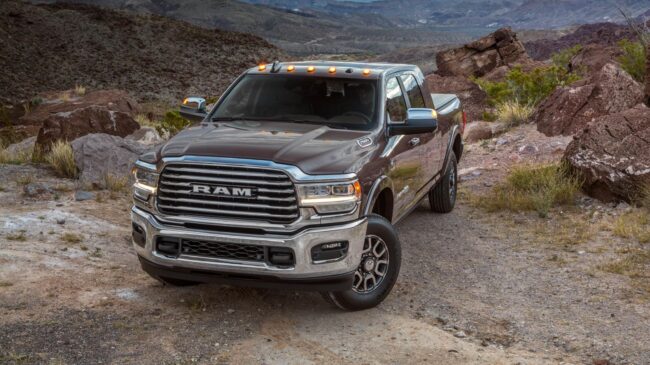
- Ram 2500/3500
- Ford Super Duty
- Duramax 2500/3500
A clean, well-maintained deleted truck can sell fast, often above book value, because buyers know they’re getting:
- A stronger, more reliable engine (post-delete)
- Lower lifetime repair costs
- Better performance
Dealers have realized it’s a product people are actively hunting for.
Dealers Now Have Off-Road, Farm, and Export Loopholes
Many dealerships figured out safe, legal channels to sell deleted trucks by classifying them as:
- Off-road vehicles
- Farm-use equipment
- Non-registered work trucks
- Export units
In these categories, deleted trucks don’t violate the same laws governing normal road-registered vehicles.
This gives dealers a way to profit without legal exposure.
High Margins Dealers Can’t Ignore
A deleted diesel truck often sells for:
- $5,000 – $15,000 more privately
- $8,000 – $20,000 more at specialty auctions because buyers see post-delete trucks as “bulletproofed” versions.
Dealers realized they were leaving enormous money on the table. And dealers do not like leaving money on the table.
The Rise of Specialty Diesel Buyers
More dealerships now partner with third-party diesel specialists who:
- Inspect deleted trucks
- Certify tunes
- Estimate remaining engine life
- Restore emissions equipment if needed
This lets mainstream dealerships tap into diesel performance markets without needing internal diesel expertise.
Better Tunes, Better Tech, Better Reliability
In the early days, deletion was messy. Cheap tunes, bad welding, homemade exhausts…
Now? High-end style tuners deliver smooth, safe, emissions-free calibrations.
Dealers have seen enough well-tuned deleted trucks to understand: When done right, deletion actually improves long-term reliability.
The stigma is fading because the quality is rising.
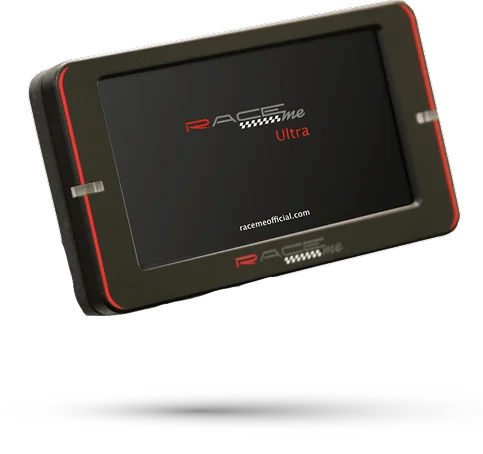
RaceMe ULTRA Diesel Tuner
- DPF/EGR/DEF Delete Options
- Works with RAM 2500/3500/4500/5500
- +200 HP Performance Boost
- Real–Time Monitoring & Tuning
- Easy Plug & Play Install + Updates Free
Why Deleted Trucks Still Sell Instantly
Dealers wouldn’t touch deleted trucks if buyers weren’t paying a premium for them. And they are—consistently. Here’s why.
Diesel Owners Are Tired of Expensive Emissions Problems
A single DEF system repair can cost $3,500–$8,000.
A DPF replacement can exceed $5,000. EGR failures can spike to $2,000–$3,000.
Buyers know this. And many want trucks already “freed” from those risks.
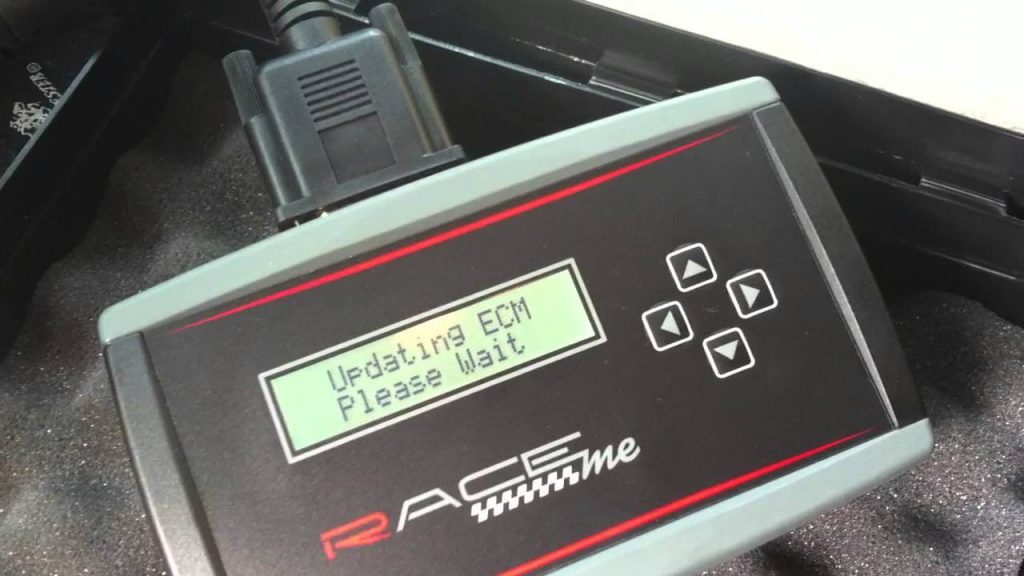
What is DPF/EGR/DEF Delete? A Complete Guide to Diesel Emissions System Removal
Performance Lovers Want the Power
A deleted truck feels alive.
- Less restriction.
- Stronger torque.
- Better throttle response.
It’s a different driving experience—and buyers know it.
Rural Buyers Face No Practical Enforcement
In rural states:
- Inspections are lenient
- Enforcement is rare
- Buyers don’t care about emissions compliance
Dealers in these areas now confidently take deleted trucks because the local market wants them.
Reputation: Deleted = “Bulletproofed”
Among enthusiasts, a deleted diesel isn’t broken. It’s upgraded.
Dealers have smartened up and are simply responding to market perception.
How Dealers Protect Themselves When Buying Deleted Trucks
To avoid fines, legal trouble, or reputation damage, modern dealers use a few smart strategies.
Strict “Off-Road Use Only” Bills of Sale
Dealers now include ironclad language stating:
- The truck is not emissions compliant
- The buyer assumes responsibility
- The truck is classified for off-road or farm use
Selling Through Specialty Channels
Many deleted trucks never hit the main lot.
Instead, they go to:
- Diesel-only auction houses
- Farm-use dealers
- Export buyers
- Wholesale diesel performance networks
This keeps dealers safe from EPA-focused scrutiny.
Will Deleted Trucks Become Fully Mainstream Again?
Dealerships have learned how to handle them, profit from them, and move them safely.
Here’s the emerging reality:
- Deleted trucks still can’t be sold as street-legal vehicles
- But they can be sold through off-road or specialty channels
- Buyers openly ask for them
- Dealers finally realized it’s a market they can’t ignore
Deleted trucks aren’t returning to dealership front rows—but they’re definitely returning to dealership back doors, and that’s where the real business happens.

What Diesel Owners Should Know Going Forward
If you own (or plan to own) a deleted truck, here’s what the current market means for you.
Your Truck’s Value Has Probably Increased
Dealers used to deduct value for deletion. Now, in many states, they add value.
You Have More Selling Options Than Ever
You no longer need to rely on private-party sales.
Dealers Will Ask About Tune Quality
OEM-level, high-end tunes sell best.
Cheap box tuners? Dealers avoid them.
Compliance Is Still Your Responsibility
Even as the stigma fades, laws haven’t changed.
The buyer—not the dealer—accepts that burden.
For years, deleted trucks were boxed out of the mainstream auto market. Now they’re quietly becoming one of the most profitable alternative inventory streams for dealerships.
And it makes perfect sense:
- There’s massive demand.
- The diesel community prefers deleted reliability.
- Dealers found safe, legal channels.
- The performance market keeps growing.
The taboo is fading—not because deletion became legal, but because dealerships learned how to operate in a world where deleted trucks are simply too valuable to ignore