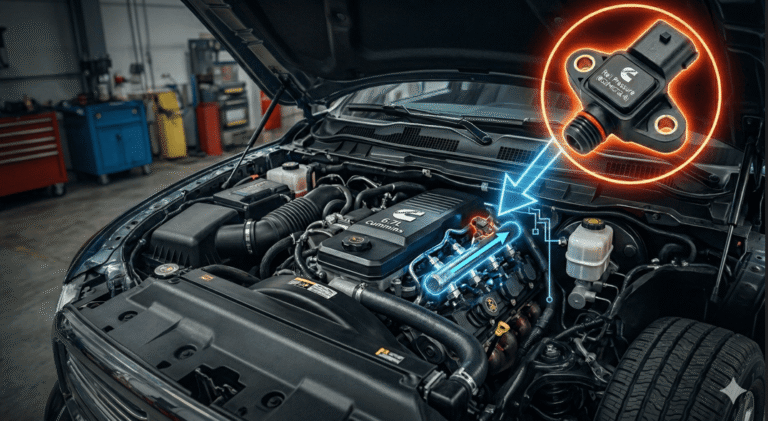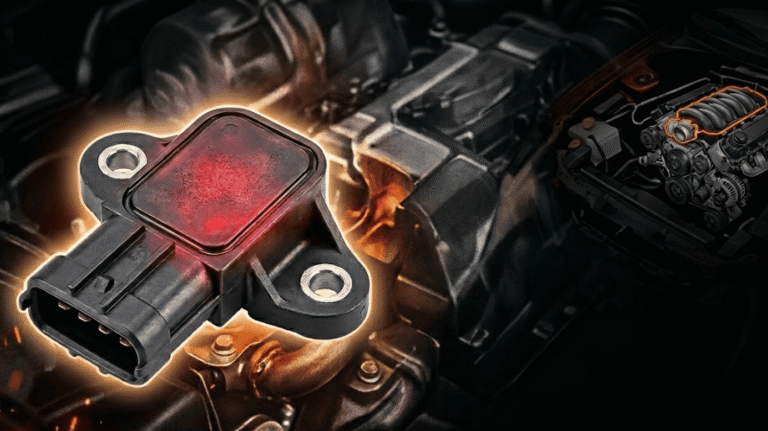
If you own or drive a truck powered by the 6.7 Cummins diesel engine, chances are you’ve either seen or heard about the dreaded “Service Electronic Throttle Control” message. For some drivers, it flashes briefly and disappears. For others, it triggers limp mode, sudden power loss, or an unnerving throttle delay that makes the truck feel unpredictable.
This warning is one of the most misunderstood alerts on Dodge RAM 2500 / 3500 trucks, and misinformation often leads owners to replace expensive parts that were never faulty. In this guide, we’ll break everything down clearly: what the electronic throttle control system does, why the warning appears, how to diagnose it correctly, and how to fix it without wasting money.
What Is the Electronic Throttle Control on a 6.7 Cummins?
Unlike older diesel engines that relied on purely mechanical throttle linkages, the 6.7 Cummins uses an Electronic Throttle Control (ETC) system. Instead of a physical cable, your accelerator pedal communicates electronically with the engine control module (ECM).
When you press the pedal, sensors send signals to the ECM, which then controls:
- Fuel delivery
- Turbo response
- Engine load management
- Emissions-related functions
This system allows for smoother power delivery, better fuel efficiency, and tighter emissions control. However, it also means that any signal mismatch, sensor failure, or wiring issue can trigger a warning.
When the system detects data that doesn’t make sense—or could potentially cause unsafe operation—it activates the Service Electronic Throttle Control message.
What the “Service Electronic Throttle Control” Warning Really Means
This message does not point to a single faulty part. Instead, it indicates that the ECM has detected a discrepancy within the throttle control system.
In simple terms, the engine computer is saying: “I don’t trust the throttle input I’m receiving.”
To protect the engine and drivetrain, the system may:
- Reduce throttle response
- Limit engine RPM
- Trigger limp mode
- Disable cruise control
The warning can appear intermittently or remain active until the issue is resolved.
Common Symptoms of Electronic Throttle Control Problems on 6.7 Cummins
The symptoms vary depending on the root cause, but these are the most frequently reported issues:
- Reduced engine power
- Limp mode activation
- Delayed or unresponsive throttle
- Harsh or uneven acceleration
- Cruise control not working
- Check engine light along with ETC warning
- Warning appears under load or towing
- Intermittent warning after cold start
One of the most frustrating aspects is inconsistency. Many drivers report that the truck drives perfectly for days, then suddenly throws the warning without any obvious trigger.

Common Diesel Tuner Risks and How to Eliminate Them with RaceME Ultra
Most Common Causes of Service Electronic Throttle Control on 6.7 Cummins
1. Accelerator Pedal Position (APP) Sensor Failure
The accelerator pedal assembly contains dual sensors that must stay in precise agreement. If one sensor reports a value that doesn’t match the other, the ECM flags it as a safety issue.
This is one of the most common causes of the warning.
Typical signs:
- Sudden limp mode
- Throttle cut while driving
- No mechanical resistance in the pedal
2. Throttle Actuator or Intake Components
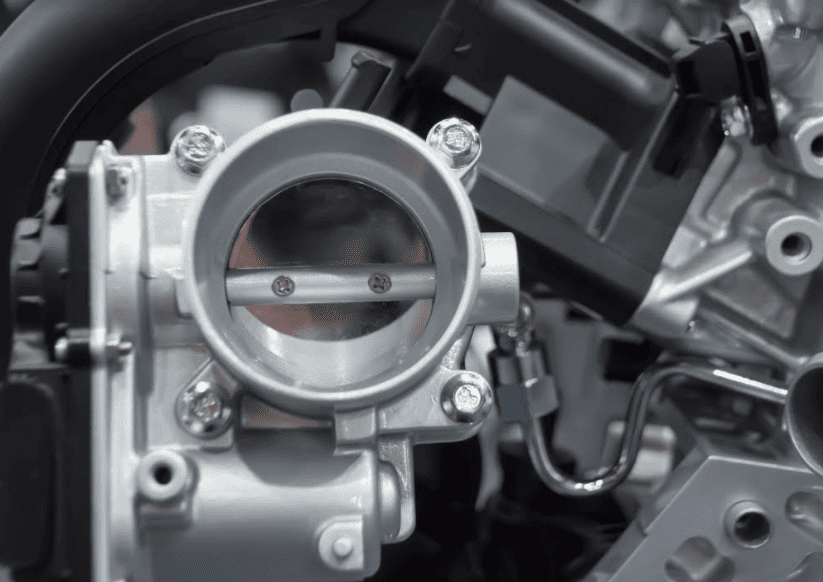
Although diesels don’t use throttle plates the same way gasoline engines do, the 6.7 Cummins still relies on throttle-related actuators for airflow management and emissions control.
Carbon buildup, actuator sticking, or internal failure can cause incorrect airflow readings.
3. Wiring Harness and Connector Issues
This is often overlooked, yet extremely common.
The 6.7 Cummins operates in harsh conditions—heat, vibration, moisture, and dirt. Over time, wiring harnesses can develop:
- Broken conductors
- Corroded pins
- Loose connectors
A momentary signal drop is enough to trigger the Service Electronic Throttle Control message.
4. ECM Software or Logic Conflicts
In some cases, the issue isn’t mechanical at all. Outdated ECM software, corrupted logic tables, or conflicts after tuning can cause false ETC warnings.
This is especially relevant if:
- The truck has been tuned
- Emissions components were modified
- The warning appeared after a software update
5. Battery Voltage or Ground Problems
Modern diesel electronics are extremely sensitive to voltage stability. Weak batteries, failing alternators, or poor grounding can create erratic sensor readings.
Many ETC warnings trace back to low voltage during startup or unstable power under load.
Diagnostic Trouble Codes Associated With ETC Issues
Common codes you may encounter include:
- P2122 / P2123 – APP sensor range issues
- P2138 – Throttle/pedal position correlation
- P2110 – Forced limited RPM
- U-codes – Communication errors
Reading the codes is only the first step. The real value comes from understanding why the code appeared.
How to Diagnose Service Electronic Throttle Control Correctly
Before replacing any parts, follow a logical diagnostic process:
- Scan for stored and pending fault codes
- Inspect accelerator pedal wiring and connectors
- Check battery health and system voltage
- Examine grounds between ECM, chassis, and engine
- Inspect intake components for contamination or binding
- Review recent tuning or software changes
Skipping these steps often leads to unnecessary expenses.
How to Fix Service Electronic Throttle Control on 6.7 Cummins
Replace the Accelerator Pedal Assembly (When Confirmed Faulty)
If sensor correlation codes persist and wiring is verified, replacing the pedal assembly is often a permanent fix.
Repair or Replace Damaged Wiring
Broken or corroded wiring must be repaired properly—not patched temporarily. Heat-shrink, soldered connections, and correct routing are critical.
Clean or Service Throttle-Related Components
Carbon buildup and contamination can affect sensor accuracy. Proper cleaning can restore normal operation in many cases.
Update or Reflash the ECM
If diagnostics point to software conflicts, a dealer or professional reflash may resolve the issue entirely.
Address Voltage and Grounding Issues
New batteries, cleaned ground points, and stable charging systems solve a surprising number of ETC warnings.
Can You Reset the Service Electronic Throttle Control Warning?
A reset may temporarily clear the message, but it does not fix the root cause. If the underlying issue remains, the warning will return—often at the worst possible moment.
Is It Safe to Drive With the ETC Warning Active?
Short distances at reduced load may be possible, but continued driving risks:
- Sudden limp mode
- Loss of throttle response
- Unsafe driving conditions while towing
Ignoring the warning is never recommended.
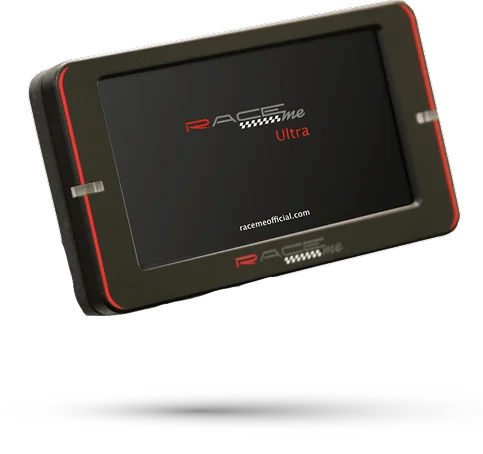
RaceMe ULTRA Diesel Tuner
- DPF/EGR/DEF Delete Options
- Works with RAM 2500/3500/4500/5500
- +200 HP Performance Boost
- Real–Time Monitoring & Tuning
- Easy Plug & Play Install + Updates Free